Important Safety Protocols to Follow When Using Boat Rentals
When renting a boat, ensuring your safety should be your top priority. You cannot overlook the critical need for wearing life jackets and understanding local boating ordinances. Familiarizing yourself with the boat's equipment and checking for any concerns before departing is vital. But what happens if the weather turns unexpectedly? Understanding how to navigate those obstacles can make all the difference in your experience. We'll explore the key safety guidelines you need to adhere to.
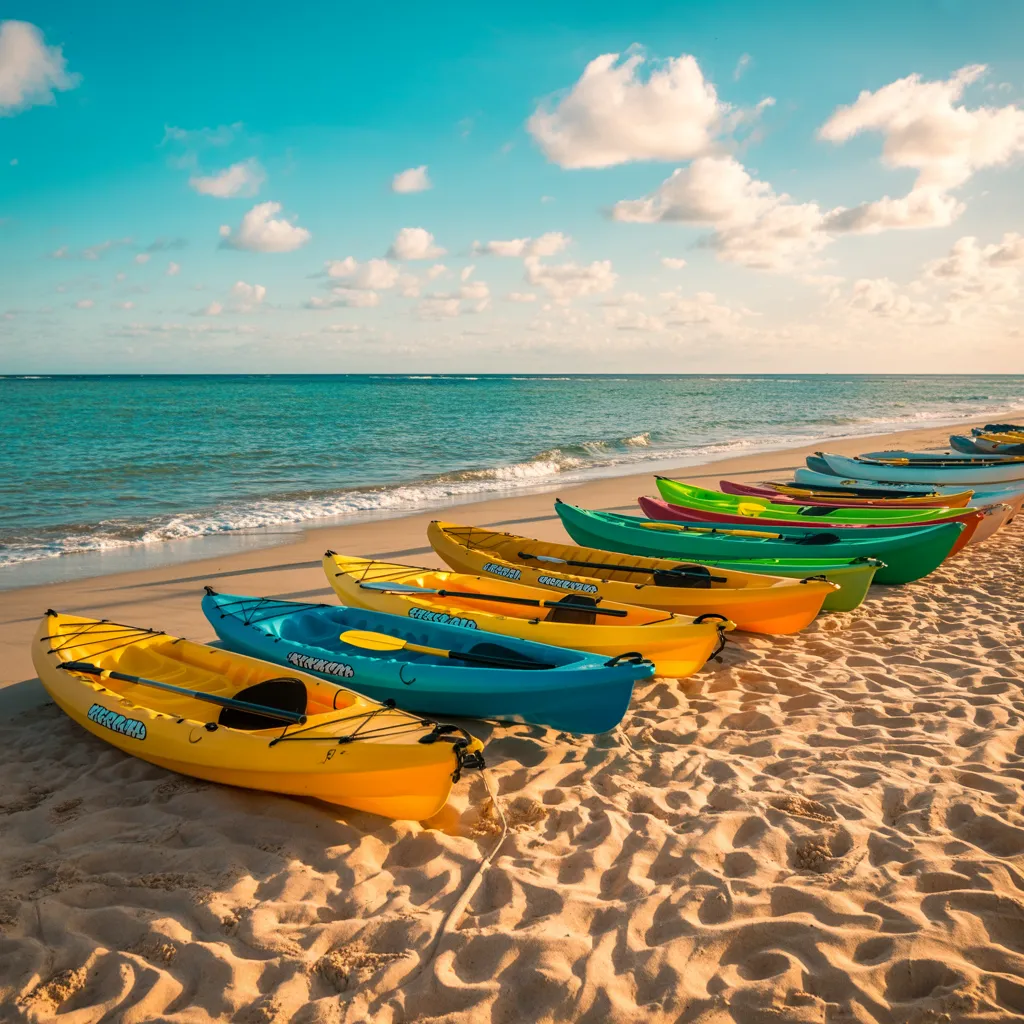
Vital Safety Advice for Boat Rentals
Safety should be your primary focus when you rent a boat. Start by wearing a life jacket at all times. It's a simple step that can save your life. Familiarize yourself with the boat's equipment and features before going out. Ensure you understand how to operate the vessel and use safety gear like flares and a first aid kit. Always review the weather forecast and avoid boating in rough conditions. Carry a charged phone and map for navigation purposes. Remain sober and avoid distractions when steering. Let someone on land know your plans and anticipated return time. Ultimately, respect the water and other boaters to guarantee a safe and enjoyable experience for everyone involved.

Grasping Local Boating Rules and Requirements
Before you set sail, knowing local boating regulations and laws is critical for a safe and satisfying experience. Every jurisdiction has specific rules regarding speed limits, navigation channels, and restricted areas. Get to know the licensing mandates for operating a boat, as some jurisdictions require a boating safety course. Be mindful of rules related to alcohol consumption on board; fines can be significant. In addition, check for any local wildlife protection laws that could impact your voyage. Disregarding these laws can bring about fines or even endanger your safety. Make it a priority to study and follow these regulations, ensuring you respect the waterway and other boaters while having a great time on your rental.
Selecting Life Jackets: Varieties and Proper Fit for All Passengers
Understanding local boating ordinances and regulations creates the basis for a safe excursion, but no safety measure is comprehensive without the appropriate life jackets. When deciding on life jackets for your passengers, examine the various types accessible, such as Type I (deep water), Type II (coastal), Type III (recreational), and Type V (special use). Each type serves a particular purpose, so select based on the activities you plan to do and the water situations.
Verify that each life jacket fits snugly and comfortably. It must not ride up over the ears or chin when fastened. Review weight limits and select jackets made for each person's size, from adults to children. Keep in mind, having the correct life jackets can make all the difference in an emergency.
How to Identify Issues on Your Rental Boat
Before setting out on the water, it's crucial to review your rental boat for any potential problems. Inspect the hull for damage or cracks, make sure the engine operates smoothly, and ensure that all safety equipment is on board. Taking these steps can help guarantee a safe and enjoyable boating experience.
Evaluate Hull Integrity Completely
While renting a boat, verifying the hull's integrity is essential for a safe outing on the water. Start by visually inspecting the hull for any cracks, dents, or blisters. These can indicate underlying issues that may compromise performance. Inspect for signs of water intrusion, such as moisture or mold, which can jeopardize safety. Move your hand along the hull to identify rough spots or irregularities that could indicate damage. Be sure to examine the transom, as it bears the engine and must be in excellent condition. Finally, verify that the hull is free from barnacles or marine growth that could restrict movement. A thorough inspection ensures a smooth and secure experience on the water.
Inspect Engine Functionality on a Regular Basis
Inspecting engine functionality is vital for a protected and fun boating experience. Before you leave the dock, take a moment to check the engine. First, check the oil level and ensuring it's clean. Look for any leaks or unusual noises when you start the engine; they could indicate potential problems. Pay attention to the fuel gauge and ensure there's adequate fuel for your trip. If you detect any warning lights on the dashboard, don't ignore them—these could signal mechanical issues. Also, test the throttle and steering to make sure they respond smoothly. Regular checks assist you in catch issues early, keeping you and your passengers safe while you enjoy the water. Don't forget, a well-functioning engine is key to a great day on the boat!
Examine Safety Gear Presence
Safety equipment is your first line of defense on the water, so ensure everything is present before you depart. First, look for life jackets—there should be one per person, and they need to be in good condition. Check for a fire extinguisher, signaling devices, and a first aid kit; these should be easily accessible and not expired. Verify you have flares or a whistle to call for assistance when necessary. Remember to inspect the boat's navigation lights, especially if you intend to stay out after dark. If anything's missing or damaged, inform the rental company right away. Making a priority of safety equipment can make your boating experience both enjoyable and secure.
Be Ready for On-Water Weather Shifts
When you're on the water, it's crucial to stay alert for sudden weather changes that can influence your boating experience. Storms can develop quickly, so watch the sky for dark clouds, strong winds, or sudden temperature drops. If you notice these signs, be prepared to head back to shore or seek shelter. Always review the weather forecast before you leave, and consider downloading a weather app for real-time updates. Confirm that your boat is equipped with safety gear, including life vests and a dependable communication tool. Don't hold back to adjust your plans if the weather looks unpredictable. Staying flexible and prepared can make all the difference in securing a safe and enjoyable outing.
Essential Navigation Signals All Boater Should Understand
Grasping critical navigation signals is essential for all watercraft operator, especially when sharing the water with others. Get to know the core signals: a green buoy marks the right side of a channel, while a red buoy marks the left. Keep in mind the phrase "red right returning" to navigate safely back to port. Listen for sound signals too; one prolonged blast signals you're altering course, while five short blasts signal danger. Always be aware of your surroundings and watch for other boats, as they may use hand signals to communicate intentions. Learning these signals ensures safer trips and helps everyone enjoy their time on the water. Remain vigilant, follow these recommendations, and you'll help create a safer boating experience for all.
Contingency Plans for Nautical Accidents
When you're boating, having a clear emergency plan for boating accidents can prove invaluable. First, determine the nearest safe harbor or shore where you can go in case of an emergency. Verify that everyone on board knows how to wear life jackets and emergency equipment. Appoint a person to call for help, whether it's via a marine radio or a cellphone. Familiarize yourself with emergency signals and procedures for your boat. Keep a first-aid kit nearby and ensure it's readily available. Regularly review your plan with your crew, so everyone knows their role. Finally, always carry a fully Boat Rentals charged phone and a whistle, as these can be lifesavers in a crisis. Remain ready, and you'll navigate emergencies more effectively.
Common Questions
How Do I Choose a Reliable Boat Rental Company?
To pick a reliable boat rental company, review online reviews, seek out recommendations, evaluate costs, and ensure they have essential licenses and insurance. Trustworthy businesses focus on safety, maintenance, and customer service for a wonderful experience.
What's the Procedure if I Lose My Boat Rental Key?
In case you've lost your boat rental key, there's no need to panic. Contact the rental company as soon as possible for help. They'll guide you on next steps, which may require a replacement fee or steps to reclaim the boat.
Is It Possible to Bring My Pet on the Rental Boat?
Pets are allowed on the rental boat, but you should confirm with the rental company in advance. There could be specific pet-related rules, so confirming before you embark with your furry friend is recommended.
What Should I Wear to Stay Comfortable While Boating?
It's recommended to wear lightweight, breathable clothing to remain comfortable while boating. A wide-brimmed hat, sunglasses, and sunscreen are necessary too. Don't forget to wear non-slip shoes for stability and safety on the boat.
Are There Age Restrictions for Renting a Boat?
Yes, there are age restrictions for renting a boat. Typically, you must be at least 18 or 21 years old, depending on the rental company and local laws. Always check specific requirements before renting.